
 By Nicholas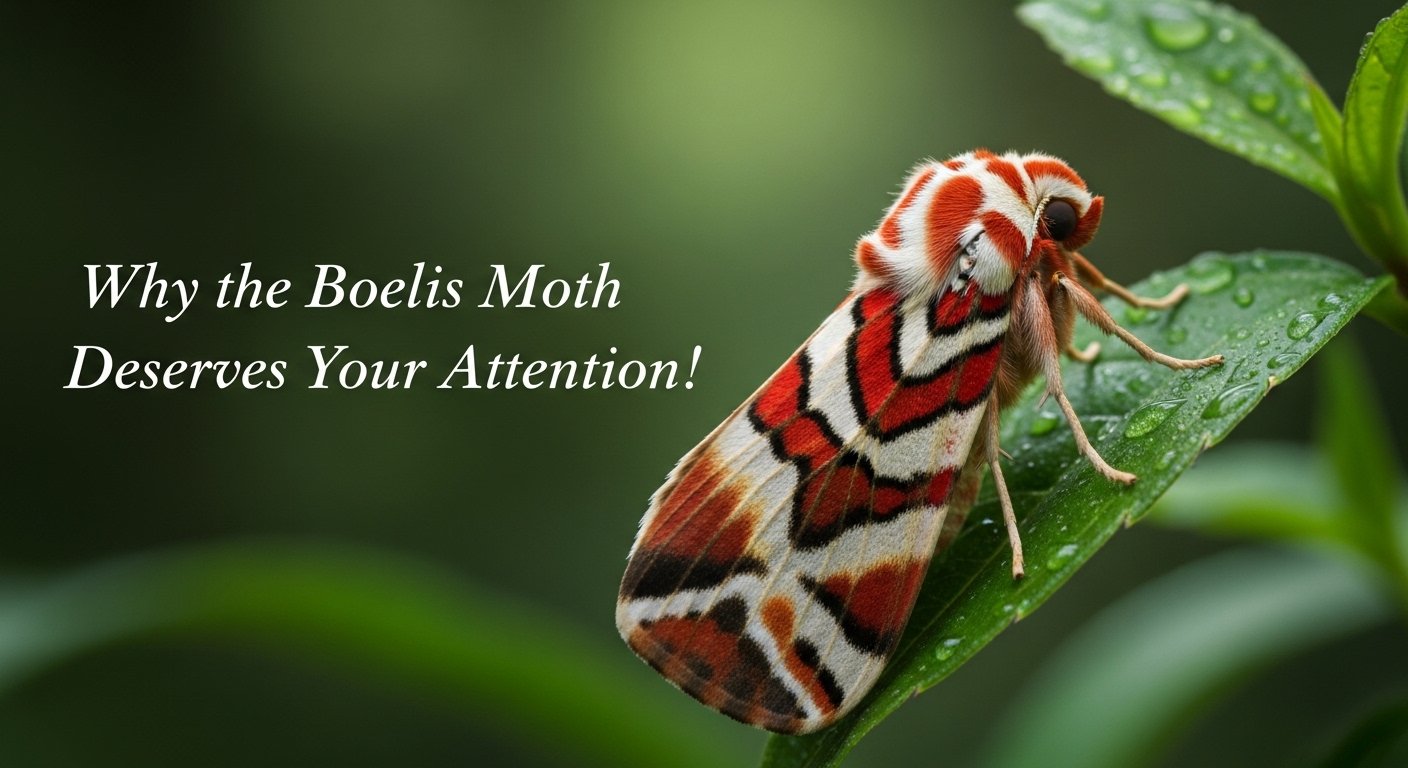
Have you ever stumbled across a tiny detail in nature that completely changed the way you see the world? For me, that was discovering the Boelis genus of moths! It’s a small, often-overlooked group in the insect world, but it packs a massive punch when it comes to understanding our ecosystem.
Now let’s talk about the name. It’s a funny name, and I’m sure you agree with me! When I first heard of it, I thought, what on earth is a Boelis? Described by the brilliant entomologist Eugene G. Munroe in 1964, this genus belongs to the Crambidae family. These grass moths are vibrant, fascinating, and absolutely crucial to biodiversity.
The Hidden Power of the Boelis Genus
You’d think that one tiny moth is just like any other, but the Boelis genus is quite different! Here is why these little creatures are a big deal for environmental thought leaders and conservationists alike:
- Ecosystem Indicators: The presence of specific Crambidae moths like Boelis can tell us so much about the health of a local habitat. If they are thriving, it usually means the surrounding flora is doing well!
- Food Web Champions: They are juicy and full of nutrients for local bird populations. A healthy moth population ensures that the entire food chain remains robust and active.
- Nighttime Pollinators: While bees get all the credit during the day, moths do the heavy lifting at night.
How to Champion Biodiversity
If you want to make a real impact on local conservation, do not ignore the little guys! I recommend looking beyond the mega-fauna and starting with the insects in your own backyard. I found that focusing only on large animals doesn’t give you the full picture of ecological health.
Here are a few helpful tips to support local moth populations:
- Plant native species: Exotic plants won’t support native caterpillars enough. Stick to the plants that naturally grow in your region!
- Reduce outdoor lighting: Bright lights confuse nocturnal insects. Turn off your porch light to help them navigate safely.
- Avoid pesticides: Chemicals can wipe out entire generations of beneficial insects. Let nature manage itself whenever possible!
We need to completely rethink how we approach environmental preservation. It starts with appreciating the intricate, beautiful details of species like the Boelis moth.
Ready to make your property a haven for biodiversity? Contact our conservation team today for a comprehensive habitat assessment and discover how you can support the incredible wildlife right outside your door!