
 By Nicholas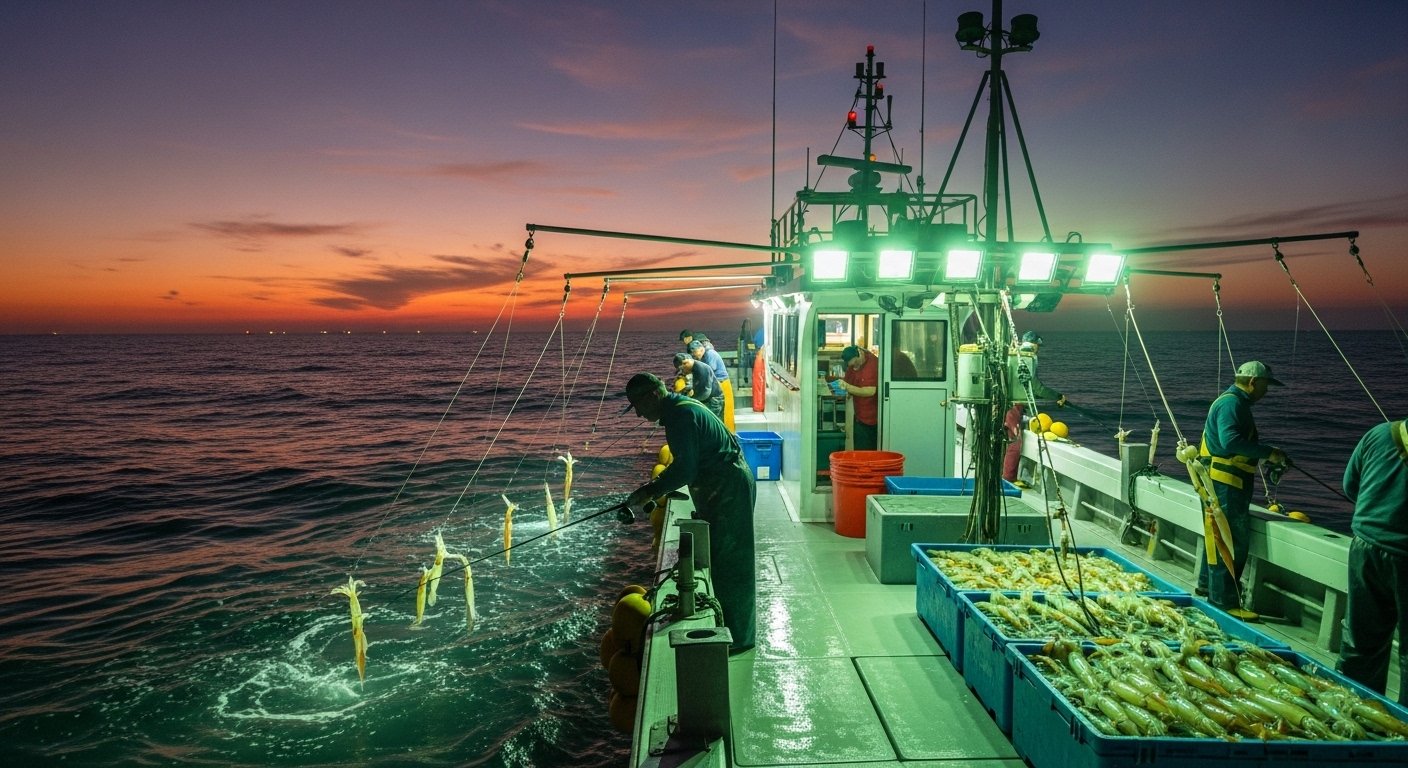
Quick answer: A calamariere is a traditional artisanal squid fisherman, or the specialized vessel used for catching squid. This practice relies on nocturnal fishing techniques, specifically using bright lights to attract squid to the surface and specialized multi-pronged jigs (known as totanare) to catch them efficiently without using destructive nets.
Have you ever wondered how those deliciously tender calamari rings make it to your favorite seafood restaurant? When I first heard the term calamariere, I thought, what exactly does that mean? Who is catching these squid, and how do they do it in the pitch-black night?
I am absolutely thrilled to share the fascinating world of the calamariere with you! There is something incredibly magical about heading out onto the dark water, surrounded by the salty sea breeze, and watching the ocean light up with glowing green and white lamps. This centuries-old profession is rich in tradition, skill, and deep respect for the ocean.
In this comprehensive guide, we will dive deep into everything you need to know about the calamariere. You will learn about the rich history of Mediterranean squid fishing, the exact equipment the pros use, and the most effective techniques for landing a fantastic catch. Grab a cup of coffee, and let’s explore the wonderful world of squid jigging together!
What is the history and origin of the calamariere?
The term calamariere originated in the coastal fishing communities of the Mediterranean, particularly in Italy, where artisanal fishermen have been catching squid for centuries. A calamariere traditionally refers to both the fisherman who specializes in catching calamari and the specifically rigged boat used for this nocturnal harvest.
Historically, these fishermen rowed out in small wooden boats called gozzi during the darkest nights of the month. They used flaming pine torches mounted on the bow to cast a bright glow over the water. This light would mimic the shimmering scales of small baitfish, drawing curious squid up from the dark depths. Once the squid were near the surface, the calamariere would use a hand-line equipped with a primitive, hand-carved wooden jig to snag their catch.
Today, the core concept remains completely unchanged, though the technology has received a massive upgrade! Those dangerous flaming torches have been replaced by high-powered LED arrays, and the wooden hand-lines are now sophisticated fiberglass rods or automated hydraulic winches. Yet, the deep cultural heritage and the careful, methodical art of the calamariere live on in coastal towns across the globe.
What essential techniques and equipment do calamari fishermen use?
The primary tools of a modern calamariere include high-intensity LED lights, multi-pronged jigs known as totanare, and automated or manual reeling systems. Because squid are highly visual predators, having the right light and the right lure is absolutely critical for a successful night on the water.
Let’s break down the essential gear you need to fish like a true calamariere:
- Illumination systems: Bright lights are the secret weapon of the calamariere. Halogen or LED lights (often emitting green or bright white hues) are submerged or hung over the side of the boat to create a feeding zone.
- The Totanara (Squid Jig): The calamariere uses a specialized jig called a totanara to safely hook the squid without damaging its delicate tentacles. Unlike traditional fish hooks, a totanara features a crown of upward-facing, barbless spikes.
- Fluorocarbon leader lines: Squid have incredible eyesight! You absolutely must use an invisible fluorocarbon leader line so the squid do not spot the thick fishing line attached to the jig.
I highly recommend buying a luminescent, glow-in-the-dark jig if you are fishing in deeper, murkier waters. I found that standard painted jigs do not grab the squid’s attention nearly as well when the light penetration is low!
What are the key types and variations of calamari fishing?
Calamari fishing is primarily divided into commercial industrial jigging, small-scale artisanal calamariere fishing, and recreational coastal squid jigging. Each variation targets different species of squid and utilizes vastly different scales of operation.
- Artisanal Calamariere Fishing: This is the traditional, small-scale method. The artisanal calamariere operates a small vessel a few miles off the coast, supplying fresh, high-quality calamari to local markets and high-end restaurants. This method focuses on quality and careful handling.
- Commercial Industrial Jigging: Massive factory ships operate in deep international waters. These giant vessels deploy thousands of automated jigs on hydraulic lines and use blindingly bright metal halide lights that can literally be seen from outer space.
- Recreational Coastal Jigging: You don’t need a boat to be a calamariere! Recreational anglers cast smaller squid jigs (commonly called egi) from illuminated piers, jetties, and breakwaters during the autumn and winter months.
What are the best practices and expert tips for successful squid fishing?
To maximize your squid catch, a calamariere must fish during a new moon, use a slow and steady jigging motion, and look for temperature breaks in the ocean water. Squid are notoriously finicky, so refining your technique is the best way to fill your cooler!
Here are my absolute favorite tips for a successful trip:
- Follow the moon phases: The calamariere always plans trips around the new moon. When the sky is pitch black, the squid are completely drawn to your boat’s artificial lights. If there is a bright full moon, the squid will scatter across the ocean surface and ignore your setup.
- Perfect the jigging motion: Drop your totanara down to the bottom, then lift your rod tip up smoothly and let it flutter back down. Squid almost always attack the jig while it is sinking!
- Keep constant tension: Because squid jigs are barbless, you must maintain a steady, slow retrieve when you hook a squid. If you let the line go slack even for a second, the squid will easily slip off the crown of hooks.
Choose a heavily weighted jig if the ocean current is strong; choose a lighter, slower-sinking jig if you are fishing in calm, shallow bays. Matching your gear to the water conditions makes a massive difference!
How does the calamariere practice sustainability and conservation?
Artisanal calamariere methods are highly sustainable because the specific jigging technique results in zero bycatch and does not damage the ocean floor. Unlike destructive bottom trawling nets that scoop up everything in their path and destroy coral reefs, squid jigging is a highly targeted fishing method.
When a calamariere drops a line, only squid are attracted to the specific movement and shape of the totanara. If a different species of fish accidentally bumps the jig, the barbless spikes usually fail to hook it. Furthermore, squid grow incredibly fast and have a short lifespan of only one to two years. This rapid reproductive cycle means that carefully managed squid populations are highly resilient to fishing pressure. By supporting the traditional calamariere over industrial trawlers, consumers directly promote a healthier, cleaner ocean!
What does the future hold for the calamariere profession?
The future of the calamariere relies on balancing traditional knowledge with modern, eco-friendly technology. As climate change warms ocean waters, squid populations are migrating to new areas, forcing the calamariere to adapt to shifting seasons and new fishing grounds.
Technology is stepping in to make the profession safer and more efficient. Many artisanal fishermen are transitioning from gas-guzzling generators to silent, solar-powered battery banks to run their LED lighting systems. Advanced sonar and fish-finding electronics also allow the modern calamariere to locate schools of squid faster, reducing the amount of fuel burned while searching the open water. The beautiful traditions of the calamariere are safely preserved, but the tools are getting a much-needed green upgrade!
Taking your first steps as a calamariere
The world of the calamariere is incredibly rewarding, peaceful, and downright exciting! From the rich history of the Mediterranean wooden boats to the glowing green lights of a modern nighttime fishing trip, there is so much to love about this artisanal craft.
Now that you know exactly what a calamariere is, how the specialized totanara jigs work, and why this method is so wonderfully sustainable, it is time to get out on the water. Head down to your local tackle shop, pick up a few brightly colored jigs, and try casting from your local illuminated pier this weekend.
Frequently Asked Questions about Calamariere
What time of day is best for calamari fishing?
The absolute best time for calamari fishing is at night. A calamariere relies on the darkness to use bright artificial lights, which attract the small baitfish that squid love to eat right up to the surface.
How much does it cost to get started as a recreational calamariere?
Getting started is very affordable! A basic setup requires a light-action fishing rod, a spool of fluorocarbon leader line, and two or three totanara squid jigs. You can easily purchase all of this gear for under $75 at a standard sporting goods store.
Can you catch calamari from the shore, or do you need a boat?
You can absolutely catch calamari from the shore! Recreational anglers frequently catch large numbers of squid by casting jigs from public piers, breakwaters, and docks that have bright overhead streetlights shining down into the water.
Are there any alternatives to using artificial lights for squid?
If you are fishing during the day without lights, you must fish much deeper in the water column. The best alternative is to use heavier, heavily weighted jigs specifically designed to bounce along the dark, weedy ocean floor where squid hide from the sun.