
 By Nicholas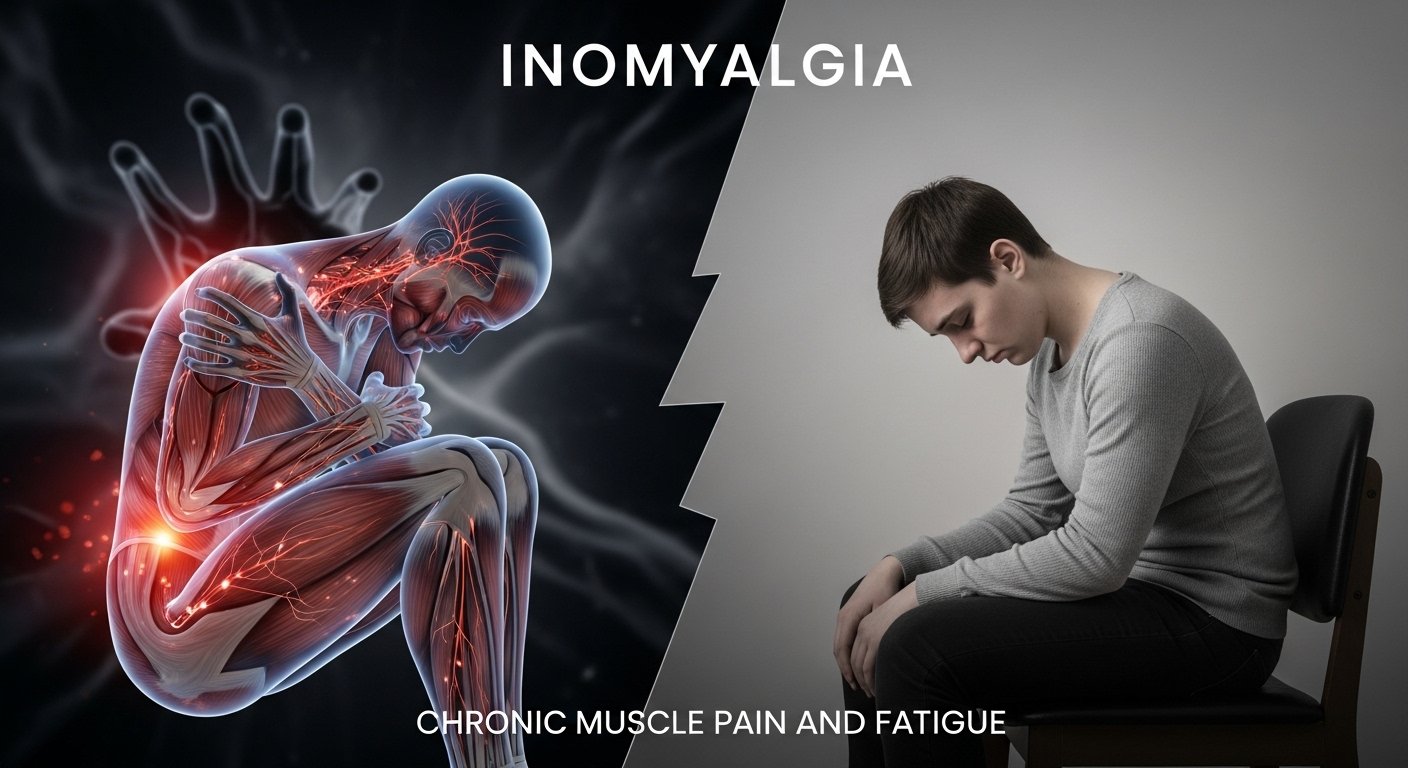
Inomyalgia is a term that may be unfamiliar to many, yet it describes a condition affecting countless individuals worldwide. Imagine living with persistent muscle pain and overwhelming fatigue that doesn’t seem to fade away, no matter how much rest you get. This chronic disorder can significantly impact daily life, making even simple tasks feel insurmountable. If you’re struggling with unexplained aches or unshakeable tiredness, understanding inomyalgia could be the key to finding relief. In this article, we’ll explore the symptoms, causes, diagnosis options, and effective treatments for inomyalgia while also discussing lifestyle changes that can make a big difference. Let’s dive into this complex issue together and shed some light on managing its challenges!
Symptoms of Inomyalgia
Inomyalgia presents a range of symptoms that can significantly impact daily life. The most prominent sign is chronic muscle pain, often felt throughout the body. This discomfort may vary in intensity and location.
Fatigue is another major symptom, leaving individuals feeling drained even after rest. Many report struggling with sleep disturbances as well, which exacerbates feelings of tiredness.
Cognitive difficulties, commonly referred to as “fibro fog,” can occur too. This includes problems with concentration and memory.
Additionally, people with Inomyalgia might experience heightened sensitivity to pain or environmental factors such as noise and temperature changes.
Some also face emotional challenges like anxiety or depression due to the persistent nature of their symptoms. Understanding these signs is key for those affected and for seeking appropriate support.
Causes of Inomyalgia
The exact causes of Inomyalgia remain unclear. However, researchers have identified several factors that may contribute to its development.
Genetics can play a role, as certain individuals may be more predisposed to chronic pain conditions due to family history. Environmental factors also matter; exposure to stress or trauma might trigger symptoms in susceptible people.
Hormonal imbalances are another area of interest. Fluctuations in hormones can impact muscle function and overall well-being. Additionally, infections or illnesses could act as catalysts for the onset of this condition.
Lifestyle choices shouldn’t be overlooked either. Poor sleep patterns and lack of physical activity often exacerbate the fatigue associated with Inomyalgia. When combined with emotional stressors like anxiety or depression, these elements create a complex web that complicates diagnosis and management.
Understanding these potential causes is essential for developing effective treatment plans tailored to individual needs.
Diagnosis and Treatment Options
Diagnosing inomyalgia can be challenging. There’s no specific test for it. Doctors often rely on a patient’s medical history and reported symptoms to make an assessment.
A physical examination may reveal tender points throughout the body, which is common with this condition. Blood tests might be conducted to rule out other illnesses that could mimic its symptoms.
Treatment typically involves a multi-faceted approach. Medications such as pain relievers or antidepressants may help alleviate discomfort and improve sleep quality.
Physical therapy can also play a crucial role, providing patients with exercises tailored to their needs. Lifestyle modifications like stress management techniques are essential as well.
Complementary therapies, including acupuncture or massage, have been beneficial for some individuals facing inomyalgia’s challenges. Each person’s experience is unique, so finding the right combination of treatments takes time and patience.
Lifestyle Changes to Manage Inomyalgia
Making small adjustments to your daily routine can significantly alleviate the symptoms of Inomyalgia. Start by incorporating gentle exercises into your day, like yoga or swimming. These activities promote flexibility and reduce stiffness without overexerting yourself.
Nutrition plays a key role as well. Consider adopting an anti-inflammatory diet rich in fruits, vegetables, whole grains, and healthy fats. Staying hydrated is equally important; aim for plenty of water throughout the day.
Quality sleep cannot be underestimated in managing fatigue levels. Establish a calming bedtime routine that encourages restful sleep patterns.
Mindfulness practices such as meditation or deep-breathing exercises can help manage stress effectively. Reducing stress lowers muscle tension and enhances overall well-being.
Listen to your body’s signals. Rest when needed and avoid pushing through pain, allowing for recovery time between activities.
Coping with Chronic Pain and Fatigue
Living with chronic pain and fatigue can feel isolating. Finding ways to cope is essential for maintaining a sense of normalcy.
Engaging in gentle activities like stretching or yoga can help keep your body moving without overexertion. Mindfulness practices, such as meditation or deep breathing, may also provide relief by calming the mind.
Connecting with others who understand your experiences can be incredibly uplifting. Support groups or online communities offer a safe space to share challenges and triumphs.
Keeping a journal is another effective strategy. Writing down feelings and daily experiences helps process emotions while tracking patterns that could reveal triggers or improvements in symptoms.
Remember to celebrate small victories. Acknowledging even minor achievements fosters positivity amid struggles and reinforces resilience in coping with Inomyalgia’s demands on daily life.
Support and Resources for Those with Inomyalgia
Living with Inomyalgia can feel isolating. However, support is available from various resources and communities.
Online forums provide a platform for individuals to share experiences and advice. Websites like MyFibroTeam and Fibromyalgia Support are great places to connect with others facing similar challenges.
Local support groups offer in-person connections, fostering friendships built on understanding. These gatherings can be therapeutic, allowing participants to discuss their struggles openly.
Healthcare professionals specializing in chronic pain management play a crucial role as well. They can help create personalized treatment plans tailored to individual needs.
Additionally, educational workshops often equip patients with strategies for coping more effectively. Knowledge empowers people living with Inomyalgia by providing tools that improve daily life quality.
Accessing these resources helps build resilience against the fatigue and discomfort of this condition while nurturing hope through shared stories and expertise.
Conclusion
Understanding Inomyalgia is crucial for those experiencing its debilitating effects. This condition, marked by chronic muscle pain and fatigue, can significantly impact daily life. By recognizing symptoms early and seeking appropriate diagnosis, individuals can explore various treatment options that may alleviate their discomfort.
Lifestyle changes play a vital role in managing Inomyalgia. Incorporating gentle exercise, maintaining a balanced diet, and prioritizing sleep are essential steps toward improving overall well-being. It’s important to remember that each person’s journey with this condition is unique; thus, finding what works best is key.
Coping strategies also make a difference in dealing with the challenges of chronic pain and fatigue. Mindfulness practices such as meditation or yoga can help manage stress levels while promoting relaxation. Connecting with support networks offers emotional relief too—sharing experiences with others facing similar struggles often lightens the burden.
For those diagnosed with Inomyalgia or suspecting they might have it, numerous resources exist to provide guidance and support on this journey. Educational websites, local support groups, and healthcare professionals specializing in chronic pain management are all valuable assets worth exploring.
Navigating life with Inomyalgia requires patience and persistence but there is hope for better days ahead through informed choices and community connections.