
 By Nicholas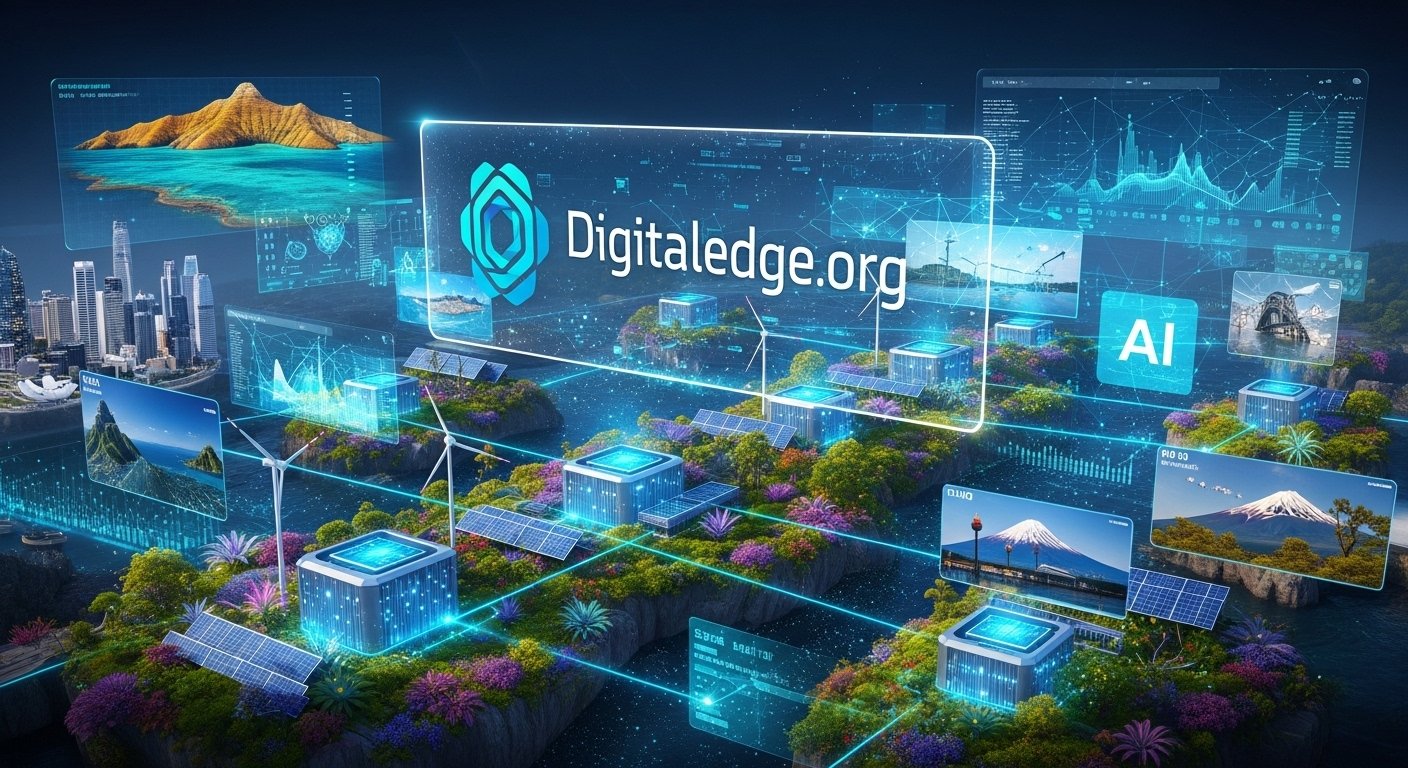
As the digital landscape evolves, so does our need for sustainable solutions. Enter the era of AI-ready data centers—pivotal hubs that not only power artificial intelligence but do so with a commitment to environmental responsibility. In Asia-Pacific, where tech innovation meets ecological awareness, these data centers are reshaping industries and setting new standards for efficiency and sustainability. With growing concerns about energy consumption and carbon footprints, businesses must adapt or risk falling behind in this competitive market. Let’s explore how Digitaledge.org is at the forefront of this transformation and why embracing sustainable AI-ready data centers is no longer just an option but a necessity for future-focused companies in the region.
The rise of AI and its impact on data centers in Asia-Pacific
The rapid adoption of artificial intelligence is transforming industries across the Asia-Pacific region. As businesses leverage AI for data analysis, automation, and predictive analytics, the demand for robust data centers has surged.
Data centers must now accommodate increased workloads generated by machine learning algorithms and big data applications. This shift necessitates a rethinking of infrastructure to ensure efficiency and performance.
Moreover, AI’s insatiable appetite for resources means that traditional data centers are struggling to keep pace. High energy consumption and cooling requirements can lead to significant operational costs.
To remain competitive, many companies in Asia-Pacific are investing in innovative solutions that integrate sustainable practices into their operations. This trend not only addresses environmental concerns but also aligns with the growing focus on corporate social responsibility within the tech industry.
Challenges faced by traditional data centers in meeting the demands of AI
Traditional data centers struggle to keep pace with the rapid rise of artificial intelligence. These facilities were designed for conventional computing tasks, not the heavy processing demands that AI applications require.
One major challenge is scalability. As AI workloads grow, traditional infrastructure often falls short in adapting quickly and efficiently. This can lead to potential bottlenecks.
Energy consumption presents another hurdle. AI training models consume vast amounts of power, pushing existing systems to their limits and increasing operational costs significantly.
Moreover, outdated cooling systems may fail under increased heat output from high-performance servers running complex algorithms. Ensuring optimal temperatures becomes a critical concern.
Integrating cutting-edge technologies into legacy systems proves difficult. Many data centers lack the flexibility needed for seamless upgrades essential for supporting AI advancements effectively.
Benefits of sustainable AI-ready data centers for businesses and the environment
Sustainable AI-ready data centers offer a myriad of advantages for both businesses and the environment. By utilizing energy-efficient technologies, these facilities significantly reduce power consumption. This not only lowers operational costs but also minimizes the carbon footprint.
Moreover, sustainable practices enhance brand reputation. Companies that prioritize eco-friendly infrastructure attract environmentally conscious consumers and partners. This can lead to increased customer loyalty and market differentiation.
The integration of renewable energy sources further contributes to sustainability. Solar panels or wind turbines can directly power operations, promoting energy independence while stabilizing long-term expenses.
These data centers improve resilience against regulatory pressures related to climate change. Businesses positioned at the forefront of sustainability are better equipped to adapt to evolving regulations and societal expectations surrounding environmental responsibility.
Case studies of successful sustainable AI-ready data centers in Asia-Pacific
One notable example in Asia-Pacific is the Google data center in Singapore. This facility employs innovative cooling techniques and renewable energy sources, significantly reducing its carbon footprint. By using advanced AI algorithms, it optimizes power usage efficiency.
Another impressive case is NTT’s data center in Thailand. It integrates green building standards with state-of-the-art technology for energy management. The result? Reduced operational costs and a commitment to sustainability that resonates with clients.
In Australia, NEXTDC has set the standard by achieving a 5-star NABERS rating for water and energy efficiency across their facilities. Their investment in solar panels not only powers operations but also contributes surplus energy back to the grid.
These examples highlight how leading companies are transforming traditional practices into sustainable ones while preparing for future AI demands.
Future outlook and predictions for the growth of sustainable AI-ready data centers in the region
The future of sustainable AI-ready data centers in the Asia-Pacific region looks promising as technology and environmental consciousness converge. With increasing reliance on artificial intelligence, businesses are seeking efficient solutions to manage vast amounts of data.
Government regulations are also evolving, pushing companies towards greener practices. This shift will likely accelerate investment in energy-efficient technologies and renewable resources.
Moreover, innovations such as liquid cooling systems and advanced AI algorithms for resource management will redefine how data centers operate. The demand for sustainability is reshaping infrastructure design, fostering collaboration between tech giants and green innovators.
As consumer preferences lean toward responsible business practices, organizations that embrace these changes will gain a competitive edge. This trend indicates a robust growth trajectory for sustainable AI-ready data centers across the region in the years to come.
Why businesses should invest in sustainable AI-ready
The importance of investing in sustainable AI-ready data centers cannot be overstated. As businesses increasingly rely on artificial intelligence to drive efficiency and innovation, their infrastructure must evolve accordingly. Sustainable data centers not only support advanced computing needs but also address pressing environmental concerns.
By embracing sustainable practices, companies can significantly reduce their carbon footprint. This commitment to sustainability resonates with consumers who are becoming more eco-conscious. A business that prioritizes environmental responsibility is likely to attract a loyal customer base.
Moreover, the long-term cost savings associated with energy-efficient technologies can enhance profitability. Reduced energy consumption translates into lower operational costs, allowing resources to be allocated elsewhere for growth or development.
Additionally, regulatory pressures around sustainability are growing worldwide. Companies that proactively adopt green technologies will find themselves better positioned against competitors who lag behind in this aspect.
Investing in AI-ready data centers aligns well with future trends in technology and business practices. It demonstrates foresight and strategic thinking—qualities essential for navigating today’s complex market landscape.
As Asia-Pacific continues its rapid development and digital transformation, now is the time for businesses to take action towards building resilient infrastructures that are both innovative and environmentally friendly.