
 By Nicholas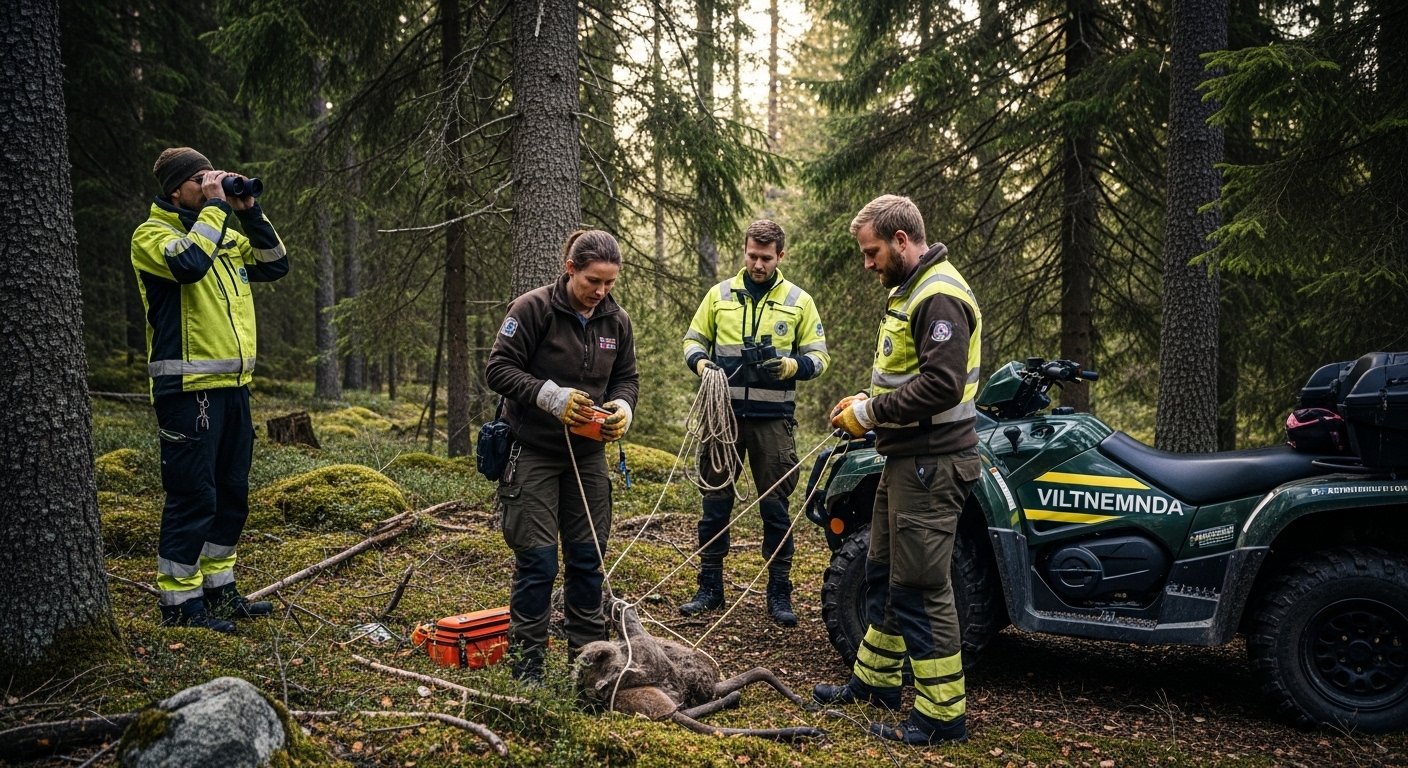
Norway is renowned for its breathtaking landscapes and rich biodiversity. But what happens when wildlife gets into trouble? Enter Viltnemnda, the local emergency response teams dedicated to addressing urgent wildlife situations across the country. From helping injured animals to managing overpopulation issues, these teams play a vital role in safeguarding Norway’s natural heritage. With their commitment and expertise, Viltnemnda ensures that both people and wildlife can coexist harmoniously. Let’s dive deeper into the fascinating world of Viltnemnda and discover how they impact our environment and communities.
History and Purpose of Viltnemnda
Viltnemnda has its roots in the growing need for wildlife protection in Norway. Established to address human-wildlife conflicts, it emerged as a response to rising concerns about biodiversity loss.
The organization is designed to provide localized solutions tailored to specific regions across the country. Each team comprises volunteers and experts who understand their local ecosystems intimately.
Its primary purpose centers on managing wildlife populations and ensuring public safety. By intervening during emergencies, Viltnemnda helps mitigate accidents involving animals such as deer or moose on roads.
Additionally, they play an educational role by raising awareness about coexistence with nature. Workshops and community outreach programs foster understanding of how humans can peacefully share spaces with wildlife.
This proactive approach not only protects animals but also preserves Norway’s rich natural heritage for future generations.
How Viltnemnda Operates
Viltnemnda operates as a decentralized network of local wildlife emergency response teams throughout Norway. Each team consists of volunteers and trained professionals who are passionate about wildlife welfare.
When an incident occurs, such as an injured animal or road accident involving wildlife, local authorities quickly mobilize the nearest Viltnemnda team. These teams assess the situation on-site, ensuring both public safety and the well-being of the affected animals.
Communication is key in their operations. Teams work closely with veterinarians, conservationists, and law enforcement to coordinate effective responses. They ensure that injured animals receive immediate care while considering long-term impacts on ecosystems.
Training sessions for volunteers focus not only on rescue techniques but also on species identification and habitat knowledge. This equips them to handle various scenarios efficiently while promoting awareness in their communities about respecting wildlife habitats.
The Role of Viltnemnda in Wildlife Conservation and Management
Viltnemnda plays a crucial role in wildlife conservation and management across Norway. These local teams are responsible for responding to wildlife emergencies, ensuring animals receive timely care and rehabilitation.
They work closely with biologists and conservationists to monitor species populations. This collaboration helps identify trends that may indicate larger environmental issues.
Moreover, Viltnemnda engages the community in awareness programs. By educating locals about coexistence with wildlife, they foster a culture of respect for nature.
Their swift action during crises—like injured or stranded animals—can make all the difference. Each successful rescue reinforces their commitment to protecting Norway’s biodiversity.
Through ongoing training and preparedness, Viltnemnda stays at the forefront of wildlife stewardship. Their efforts not only safeguard individual animals but also contribute to maintaining healthy ecosystems throughout the region.
Success Stories of Viltnemnda
Viltnemnda has seen numerous success stories that highlight its vital role in wildlife management. One notable case involved a moose tangled in barbed wire, creating a dangerous situation for both the animal and local residents. A quick response team carefully freed the moose without causing harm, showcasing their skill and compassion.
Another impressive achievement came when Viltnemnda organized an operation to relocate beavers from urban areas where they were causing flooding issues. The team successfully moved these industrious creatures to more suitable habitats, ensuring their safety while alleviating community concerns.
Additionally, the organization has worked tirelessly on road safety initiatives. By implementing wildlife crossings and signage based on data collected through monitoring efforts, they’ve significantly reduced vehicle-animal collisions in critical zones. Each of these stories underscores Viltnemnda’s commitment to protecting Norway’s diverse ecosystems while balancing human interests.
Challenges Faced by Viltnemnda
Viltnemnda faces numerous challenges in their vital work. One of the most pressing issues is funding. Limited resources can hinder their ability to respond swiftly to wildlife emergencies.
Another significant challenge is public awareness. Many communities are unaware of Viltnemnda’s role and may not report incidents promptly, delaying necessary interventions.
Seasonal changes also complicate operations. For example, harsh winters or flooding can restrict access to affected areas, making rescue efforts more difficult.
Additionally, wildlife itself poses challenges. Animals in distress may act unpredictably when cornered or injured, leading to safety risks for both responders and the animals involved.
Human-wildlife conflict continues to rise as urban areas expand into natural habitats. This increases the number of emergency calls Viltnemnda receives while straining their capacity to manage diverse scenarios effectively.
Future of Viltnemnda and its Impact on Norway’s Wildlife
The future of Viltnemnda looks promising as awareness about wildlife conservation continues to grow. With increasing public support, their initiatives can expand further into local communities.
Technology will play a pivotal role in shaping their operations. Drones and mobile apps can enhance monitoring efforts and improve response times during wildlife emergencies.
Collaboration with environmental organizations is becoming more common. Such partnerships can lead to innovative solutions for managing human-wildlife conflicts.
Educational programs are vital too; they empower residents to coexist harmoniously with nature. By fostering a culture of respect towards wildlife, Viltnemnda aims to reduce incidents involving injured animals.
As climate change impacts ecosystems, the adaptability of Viltnemnda will be crucial. Their strategies may evolve based on changing habitats, ensuring that Norway’s rich biodiversity remains intact for generations to come.
Conclusion
The role of Viltnemnda in Norway is crucial for both wildlife and communities. These local wildlife emergency response teams are dedicated to ensuring the safety of animals while also addressing human-wildlife conflicts. Their efforts contribute significantly to the conservation and management of Norway’s rich biodiversity.
Through their proactive approach, Viltnemnda has fostered a greater understanding among residents regarding coexistence with wildlife. The success stories emerging from these teams illustrate not just triumphs in animal rescue but also an enhanced community awareness about environmental stewardship.
Yet, challenges persist. From habitat loss to climate change impacts, Viltnemnda faces numerous obstacles as they strive to protect Norway’s natural heritage. Continued support and collaboration between governmental agencies and local volunteers will be key in overcoming these hurdles.
Looking ahead, the future appears promising for Viltnemnda. As public interest grows and resources expand, there is potential for even more effective strategies that benefit both humans and wildlife alike. The ongoing commitment to this cause ensures that Norway remains a sanctuary for its diverse fauna, reflecting a society deeply engaged in preserving its natural treasures.